How Contractors Manage CIS Invoices with Xero

Nitty-Gritty Contractors manage CIS invoices in Xero by splitting every subcontractor invoice into labour and materials, coding each line to the right CIS account, and letting Xero calculate the deduction and file the monthly return. The challenging part is getting that split right before the bill reaches Xero. Livecosts is where project teams capture, approve, […]

How Main Contractors Manage Material POs

Main contractors manage material purchase orders (POs) by checking each request against the package budget, approving spend before ordering, controlling changes, recording deliveries and matching supplier invoices to the agreed order. Done consistently, this shows cost overruns while there is still time to act. The process in six steps: Agree who owns each stage of […]

Committed Costs Affect Remaining Budget

Committed costs affect your remaining budget because you have already agreed to spend that money. To see how much budget you have left to allocate, subtract actual costs and outstanding commitments from your current approved cost budget. For main contractors, invoices only show part of the picture. You may have agreed to a subcontract or […]

Bill of Quantities

A bill of quantities BoQ describes and measures the work required for a construction project. Contractors use the listed quantities to price the work, prepare tenders and provide a detailed breakdown of their proposed charges. For construction teams, understanding a BoQ helps clarify the scope before work begins. During delivery, the document can also support […]

Commercial Manager vs Quantity Surveyor

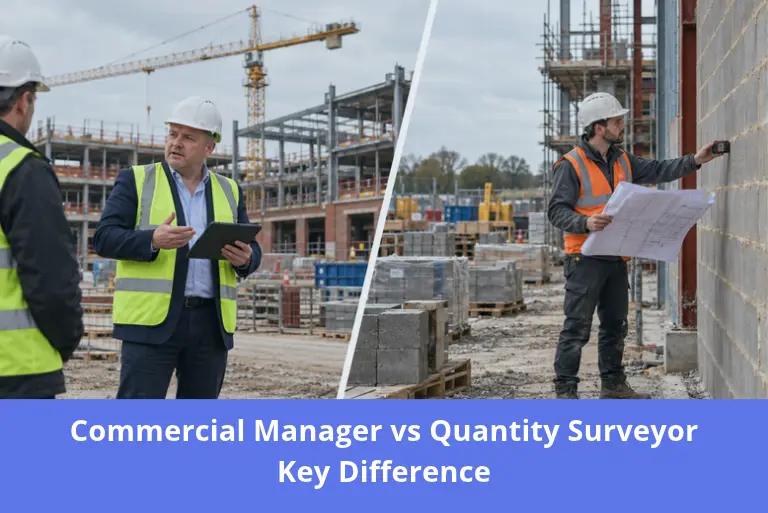
The main difference between a commercial manager and a quantity surveyor is their responsibilities. A quantity surveyor (QS) typically manages project costs, valuations and contracts, while a commercial manager oversees commercial performance, financial risks and key business decisions. Both roles help construction companies control spending, manage contractual obligations and protect project profitability. However, their responsibilities […]

Prevent Cost Overruns

Construction cost overruns occur when project expenditure exceeds the approved budget. Inaccurate estimates, scope changes, delays and poor financial control can increase costs and reduce the contractor’s expected profit. Contractors can prevent cost overruns by setting realistic budgets, tracking actual and committed costs, controlling scope changes and forecasting final expenditure. Regular financial reviews help identify […]

How to Reduce Construction Project Costs

Reducing construction project costs starts with accurate estimates, smarter procurement, efficient labour use, and better control over spending. Contractors can save money by comparing supplier prices, preventing material waste, reducing rework, and identifying cost overruns before they affect profitability. However, cutting costs should never mean compromising quality or safety. The goal is to eliminate unnecessary […]

How to Prepare a CVR in Construction

A cost value reconciliation, or CVR, compares the value of completed work with the cost of delivering it. Contractors use it to understand current profit, forecast final cost, track margin, and identify financial risk before it affects the project. To prepare a CVR, confirm the contract value, record actual and committed costs, estimate the cost […]

Commercial Management in Construction

Commercial management in construction is the process of controlling the financial and contractual performance of a project from tender through to final account. It helps contractors manage costs, value, cash flow, risk and profitability throughout the project lifecycle. A strong commercial process answers three important questions: What did we expect the project to cost and […]

Purchase Orders Update Committed Costs

Purchase orders update committed costs by recording money that a construction business has agreed to spend before the supplier invoice becomes an actual project cost. A purchase order raised against a project signifies a financial commitment. Tracking that commitment alongside the project budget and actual costs gives finance and commercial teams a clearer picture of […]